Supporting Students as the Bearers of Ise's Living Culture
Tokiwakai is a community based in Ise dedicated to passing on Japanese traditional culture and nurturing younger generations. We would like to share, once more, what we truly mean by "nurturing younger generations."
What we value most is welcoming students not as visitors who come to observe from the outside, but as fellow bearers who help carry Ise's culture forward. Rather than viewing the festivals as tourists, we place ourselves on the ground and work side by side with local people. We believe this experience offers learning that no classroom or book can provide.
Why "bearers," not just "support"
The wish to "support young people" is one that many of us surely share. Yet simply preparing an opportunity and watching from behind rarely lets culture become one's own. When students join the festivals and the community as participants — putting in the work, getting to know people — something grows: the sense that "this tradition is mine to hand on next." That is the kind of place we want to make.
Tokiwakai welcomes students into the monthly rhythm of the Tsuitachi-mairi (the first-of-the-month shrine visit) and the Tsuitachi-kai gatherings, and brings them along to the sites of Ise's festivals. Ours is a community where many generations gather without barriers. The wisdom and experience of life's elders can be handed directly to the young.
Joining the Kawabiki toward the Shrine renewal, together with students
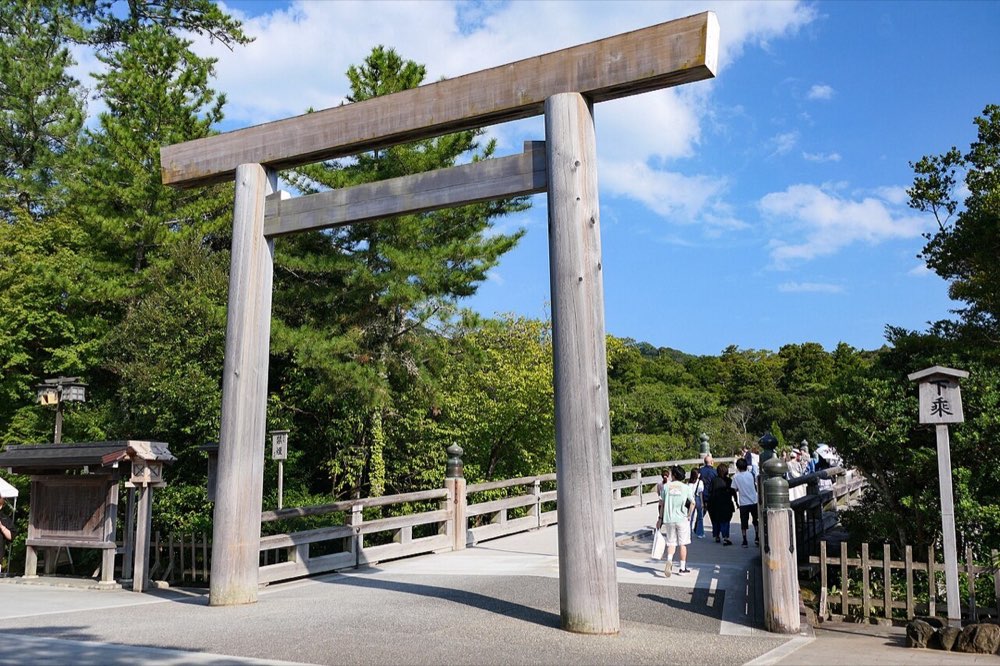
Right now, we are devoting our energy to the Okihiki rites leading up to the 63rd Sengu (the periodic rebuilding of Ise Jingu, scheduled for 2033). These rites of hauling the sacred timber began in 2026, and the Kawabiki — drawing the timber through the waters of the Isuzu River to the Inner Shrine — is a spirited festival unique to Ise.
The Kawabiki has, from of old, been borne above all by the shinryomin — the people of the old shrine domains. Through the bonds Tokiwakai has built by rooting its activities in the community, a local hauling group has kindly offered to share with us the chance to take part. The next time this rite comes around will be roughly twenty years from now.
On this exceptionally rare occasion, we will take part together with students. To become a bearer of the festival, supported by the goodwill of the local community, will be an irreplaceable formative experience for the young. So that they may haul the timber knowing its meaning, we also cherish the preparatory study sessions where they learn its history.
Revitalizing Furuichi, the pilgrimage-road town, with students
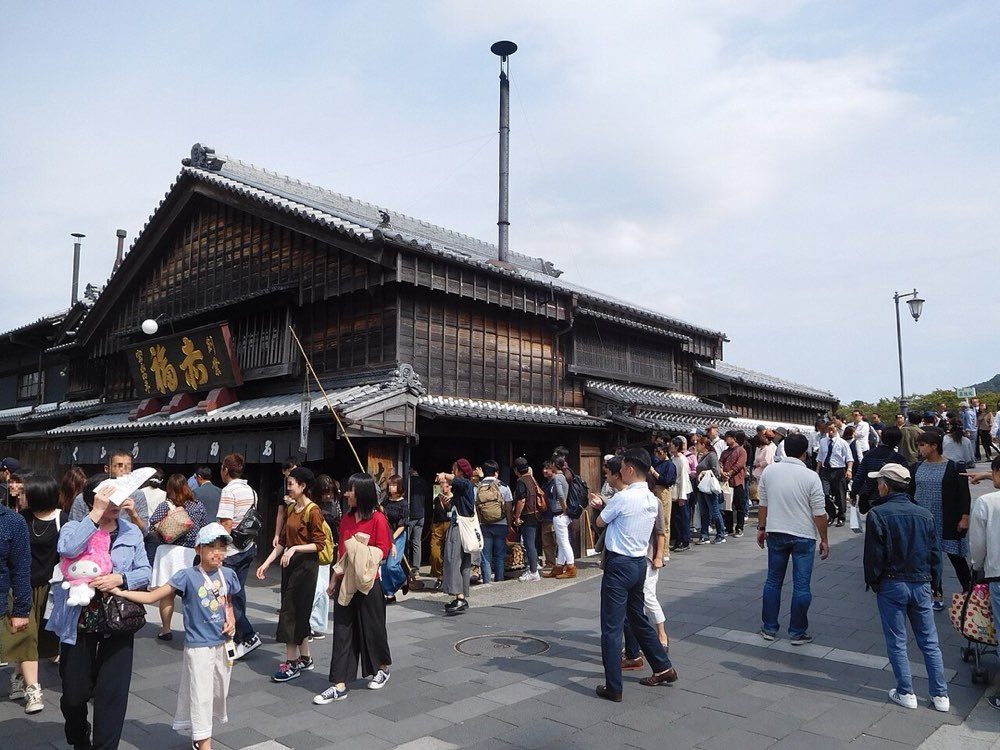
There is one more place we hope to walk with students: Furuichi, a town along the old pilgrimage road. Set on a hill connecting the Outer and Inner Shrines, Furuichi once flourished greatly as a place where pilgrims unwound after their visit. It is also the town where the "Ise Ondo" was sung and danced with such fervor that pilgrims carried it across the whole country — a place that speaks to Ise's culture of performing arts and hospitality.
Today, however, as part of the long-established old town center, Furuichi is an area where depopulation and aging are advancing. A town that holds the memory of great liveliness has now grown quiet — and we want to face that gap together with students. Rather than students stirring things up briefly and then leaving, we begin by listening to residents, nurturing face-to-face relationships, and letting the next generation tell the town's story. We aim for involvement that is patient and deeply rooted.
Students who become "participants in Ise's festivals" through the Kawabiki can then carry that connection into the work of Furuichi. Our hope is to turn one-off events into a continuous, lasting bond.
Of course, revitalizing a town is not something we can do alone, and the leading roles belong to those who live in Furuichi and have long watched over it. Even so, Tokiwakai hopes to contribute in some form — borrowing the energy of the younger generation — so that even a little of Furuichi's liveliness may return. We will take that first step by simply listening to what the residents have to tell us.
Sowing seeds for the next twenty years
"Tokiwa" means to flourish, unchanging, for all time. For some 1,300 years, the prayers and festivals of Ise have been handed down without a break — and in the end, they have been sustained by each and every person who bore them.
Today, a student standing on the festival grounds and exchanging words with the people of a town — each such moment, we believe, is a seed sown for the 2033 renewal and for the Ise that lies beyond it. Tokiwakai will continue, in earnest, to support the younger generation as the bearers of Ise's culture. We warmly invite you to join us in this place of learning and lived experience.
The next news arrives on LINE.
Notices, reports, and the next event openings.