"Caring for the Sacred Timber" — A Day with the Craft and Prayer of the Sengu
On June 13, 2026, members of Tokiwakai attended a public lecture by the Shinto Bunka-kai, held at Kokugakuin University in Shibuya, Tokyo. The theme was "The 63rd Shikinen Sengu — Preparing the Grounds and Caring for the Sacred Timber." Having taken part in the Okihiki timber-hauling and other Sengu-related events, we had all looked forward to this day.
On building the sanctuaries, and the sacred timber
In the first half, Mr. Katsunori Nishimura, a former engineer of Jingu, spoke on "The Construction of the Shrine Buildings"; in the second, Mr. Satoru Otowa, a councillor of Jingu and deputy director of its public relations office, spoke chiefly on the history of the Okihiki rite. The session was moderated by Professor Emeritus Haruo Sakurai of Kogakkan University. Both talks carried the weight of those who have stood at the very site of the Sengu.
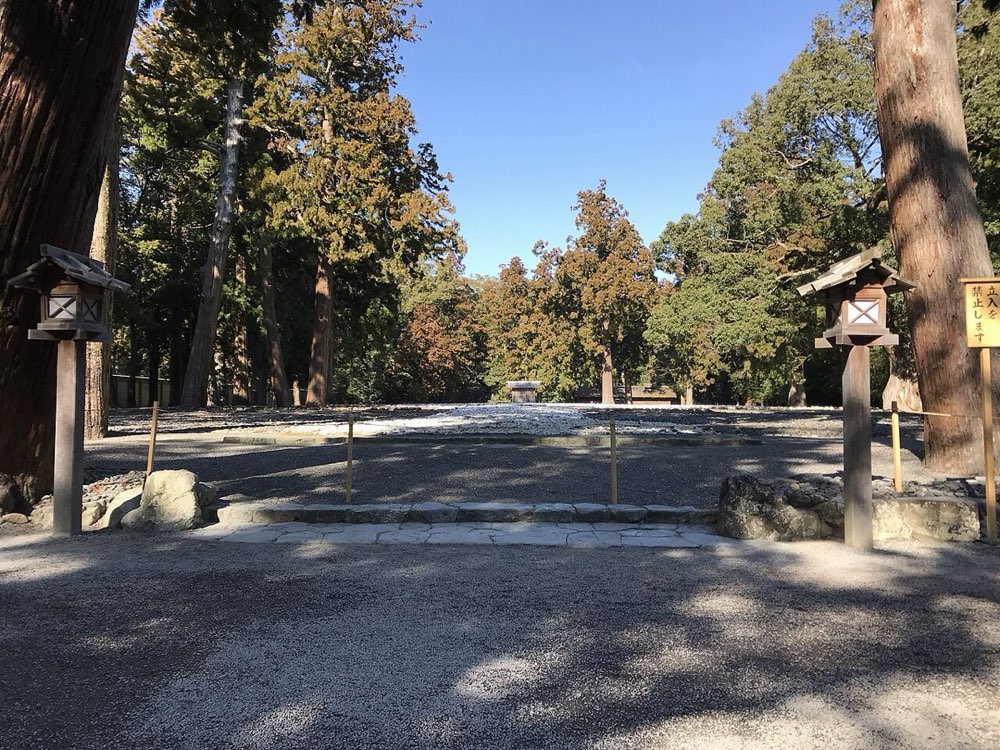
What struck us most was the wisdom of the craftsmen built into the sanctuaries. Ise's main hall uses an ancient form, hottate-bashira — pillars set directly into the ground without foundation stones. According to the talk, anticipating that the wood will shrink as it dries, the builders leave a slight gap between pillar and beam from the start; the gap, open when the building is new, is said to close precisely over the 20 years that follow. To learn that the very 20-year cycle of the Sengu rests on our forebears' attentiveness to the voice of the wood left a deep impression on us.
A tradition of "keeping it ever new"
The Shikinen Sengu is not merely the rebuilding of an old structure. It faithfully carries on the ancient Yuiitsu Shinmei-zukuri style without the slightest deviation, and — once every 20 years — hands the craftsmen's skills on with certainty to the next generation. The transmission of technique itself, we came to understand anew, lies at the heart of the Sengu.
By forever remaining new, the shrine preserves an eternal vitality. This idea of "Tokowaka" — everlasting youth — overlaps closely with what Tokiwakai holds dear. To stay unchanged, one keeps changing. That this paradoxical wisdom has been handed down, unbroken, for 1,300 years left us quietly humbled.
Passing the learning on to the next generation
Members of Tokiwakai of several generations attended together, and afterward we shared our impressions. The texture of words from those who know the actual site is wholly different from reading about it in books. We are reminded once again how grateful we are to be present at such occasions of learning.
Tokiwakai is a community based in Ise, dedicated to passing on Japanese traditional culture and nurturing younger generations. We hope to hand on the craft and prayer of the Sengu that we learned this day, through our own activities, to the generation that follows. Please join us at our gatherings of learning and experience.
The next news arrives on LINE.
Notices, reports, and the next event openings.