
July's Tsuitachi-mochi: Sasa Warabi Mochi, and the First Change to the Lineup
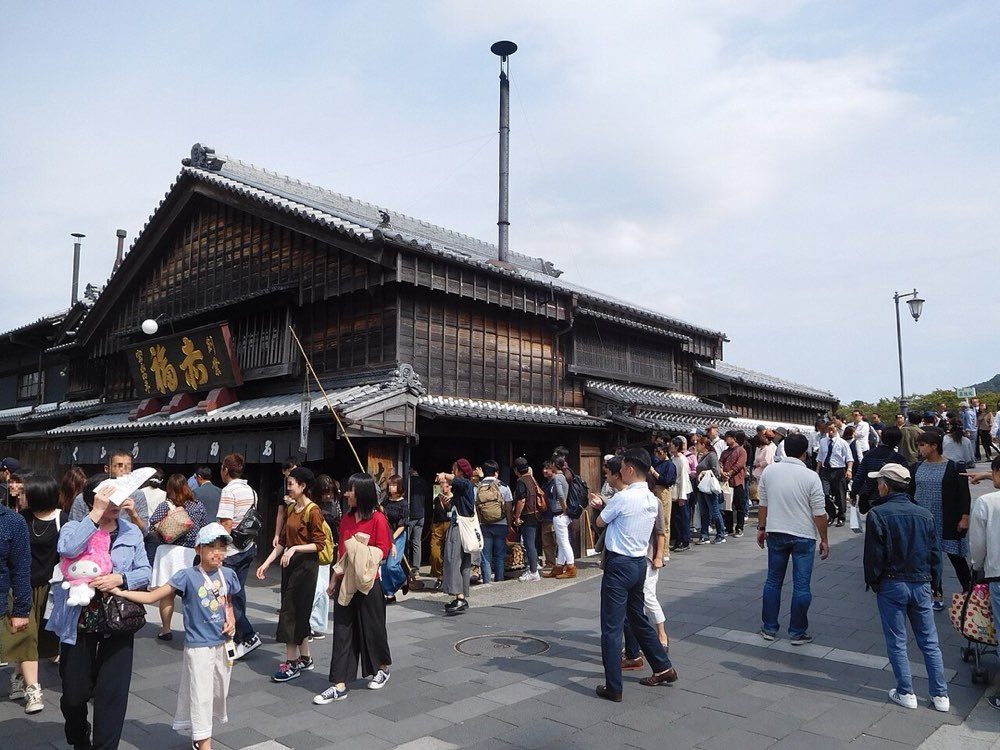
In Ise, there is a custom of visiting the Shrine early on the first morning of each month — giving thanks for the month past and praying for peace in the month ahead. It is called tsuitachi-mairi. Summer dawns come early, and on July 1 the approach fills with people as the sky lightens.
July's tsuitachi-mochi: Sasa Warabi Mochi
One of the pleasures of the tsuitachi-mairi morning is the tsuitachi-mochi, sold by Akafuku only on the first of each month. On July 1 it is Sasa Warabi Mochi — warabi mochi, a soft cake made from bracken starch, wrapped in a leaf of sasa bamboo grass. Press reports describe the filling as smooth red-bean paste.
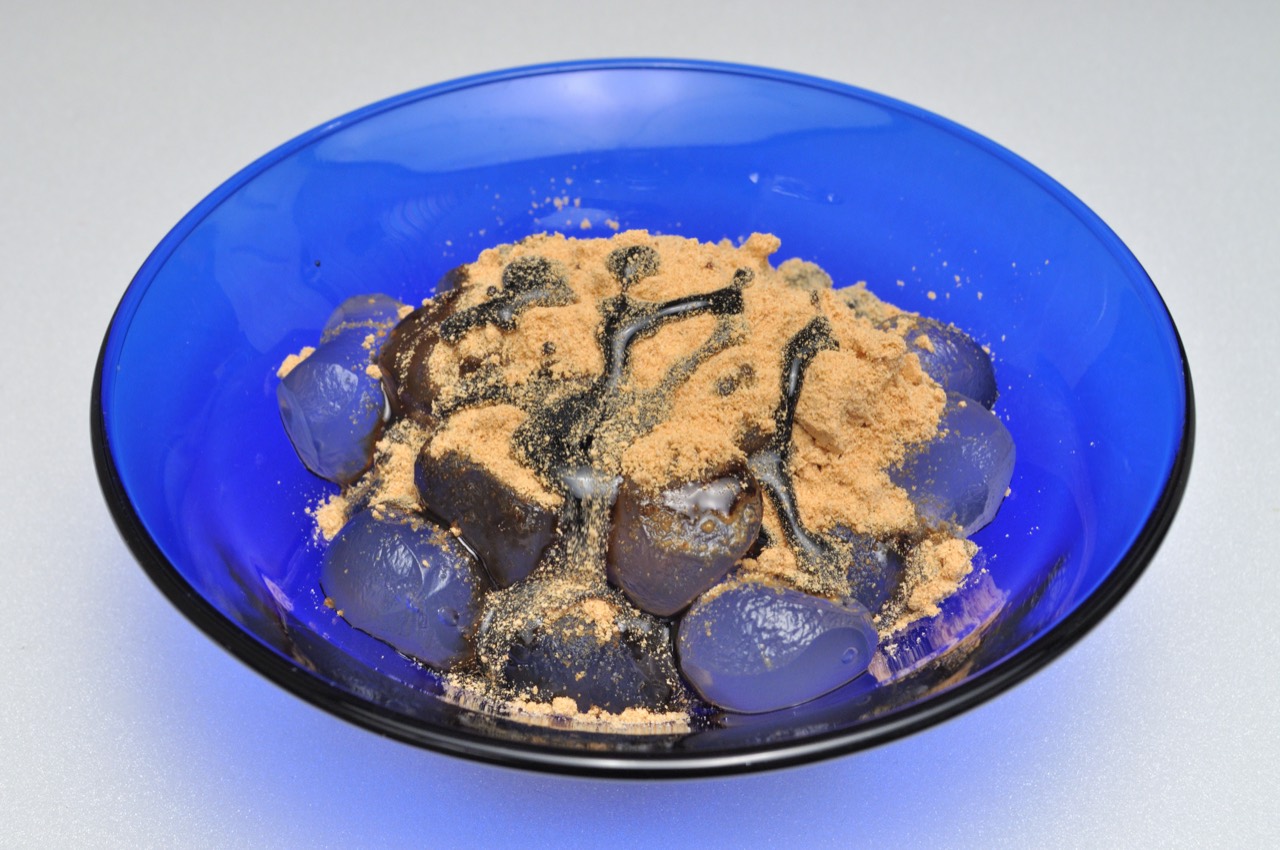
July is the season of Tanabata and its bamboo decorations. Sasa grows straight toward the sky and stays green through winter, and for that reason it is said to have been treated as a vessel for the gods. The wrapping itself is the season.
The first swap in the lineup
For decades, July meant Takenagashi — a water-yokan jelly poured into green bamboo and capped with a kumazasa leaf, eaten by piercing the node with the small awl that came with it. It is reported to have been in the lineup from the start. In 2023 it was replaced by Sasa Warabi Mochi: the first time any item in the lineup had been swapped.
The reason was that the fresh bamboo used for the vessel had become difficult to obtain; the bamboo was imported, and supply thinned with the times. What changed first was not the confection, but the conditions behind its materials.
Continuing without change, and continuing by changing. Both are forms of inheritance — a thought not far from Shikinen Sengu, in which everything is renewed every twenty years so that it may be passed on.
How tsuitachi-mochi began
Akafuku began selling tsuitachi-mochi in February 1978 as a way to welcome the pilgrims of tsuitachi-mairi. Eleven varieties come round in turn from February through December, each sold on the first of its month only. January is set apart for the New Year. They must be eaten the same day.
Tokiwakai is an association based in Ise, working to pass on Japan's traditional culture and to nurture the next generation. Follow the tsuitachi-mochi through the year, and the turning of Ise's seasons comes into view.
The next news arrives on LINE.
Notices, reports, and the next event openings.