Shimenawa in Ise — A Year-Round Guardian at the Doorway: The Legend of Somin Shorai
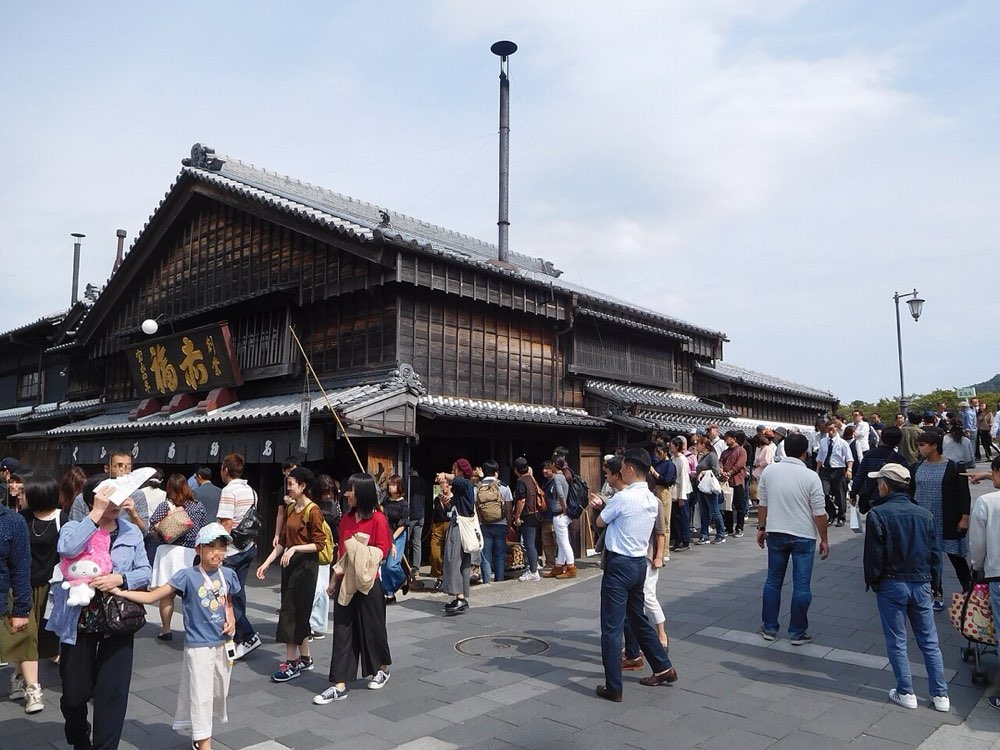
Walk through the streets of Ise and, whatever the season, you will notice houses with a shimenawa rope hanging at the entrance. In Ise, a shimenawa is not only a New Year decoration. Here is the story behind the wooden plaque that hangs from it, inscribed "Descendants of Somin Shorai".
A rope that stays up all year
In most of Japan, a New Year decoration is put up at the end of December to welcome the god of the year, and taken down once the New Year season has passed. In Ise, people replace the rope with a new one at year's end — and then leave it hanging at the doorway all year round. That is why, in Ise, it is usually called simply a shimenawa rather than a New Year decoration. The rope carries a wooden plaque; the traditional inscription reads "Somin Shorai Shison Kamon" — "the household of the descendants of Somin Shorai". Over time, it is said, the words were shortened, and the plaque came to be written "Shomon", the gate of laughter.
The legend of Somin Shorai
Long ago, the god Susanoo, on a journey, could not find a place to stay for the night. A wealthy younger brother, Kotan Shorai, turned him away; his poor elder brother, Somin Shorai, welcomed him in and treated him as best he could. Pleased, Susanoo is said to have promised that the descendants of Somin Shorai would be spared from epidemics for generations. Somin's house escaped the epidemics that followed and prospered, and the words "descendants of Somin Shorai" became a charm for health and protection from disease. In Ise, people have hung them at the doorway on a wooden plaque attached to the shimenawa.
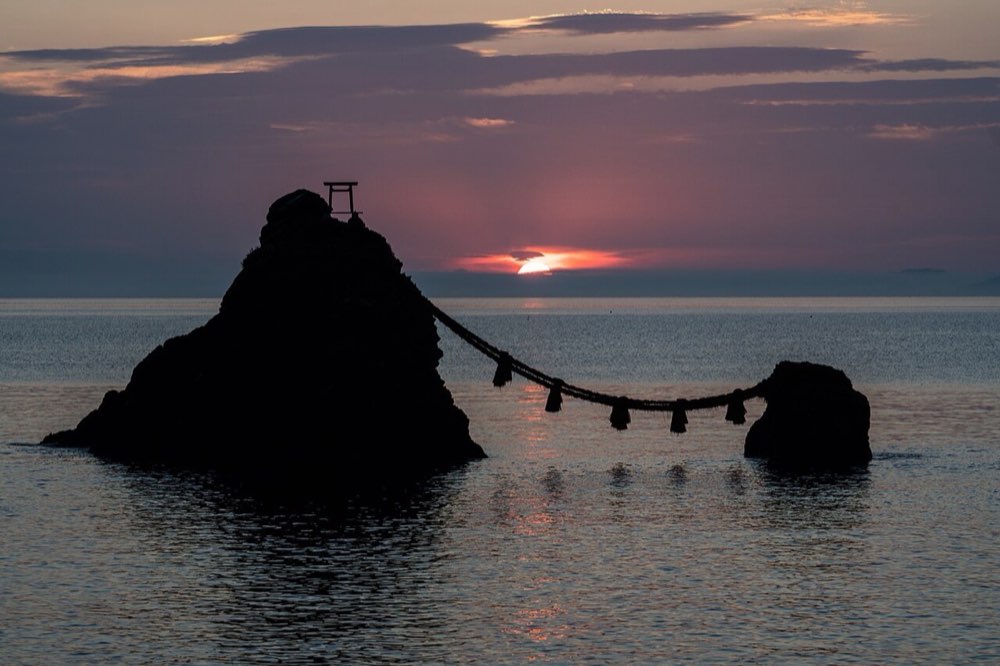
December: the great rope of the Meoto Iwa is renewed
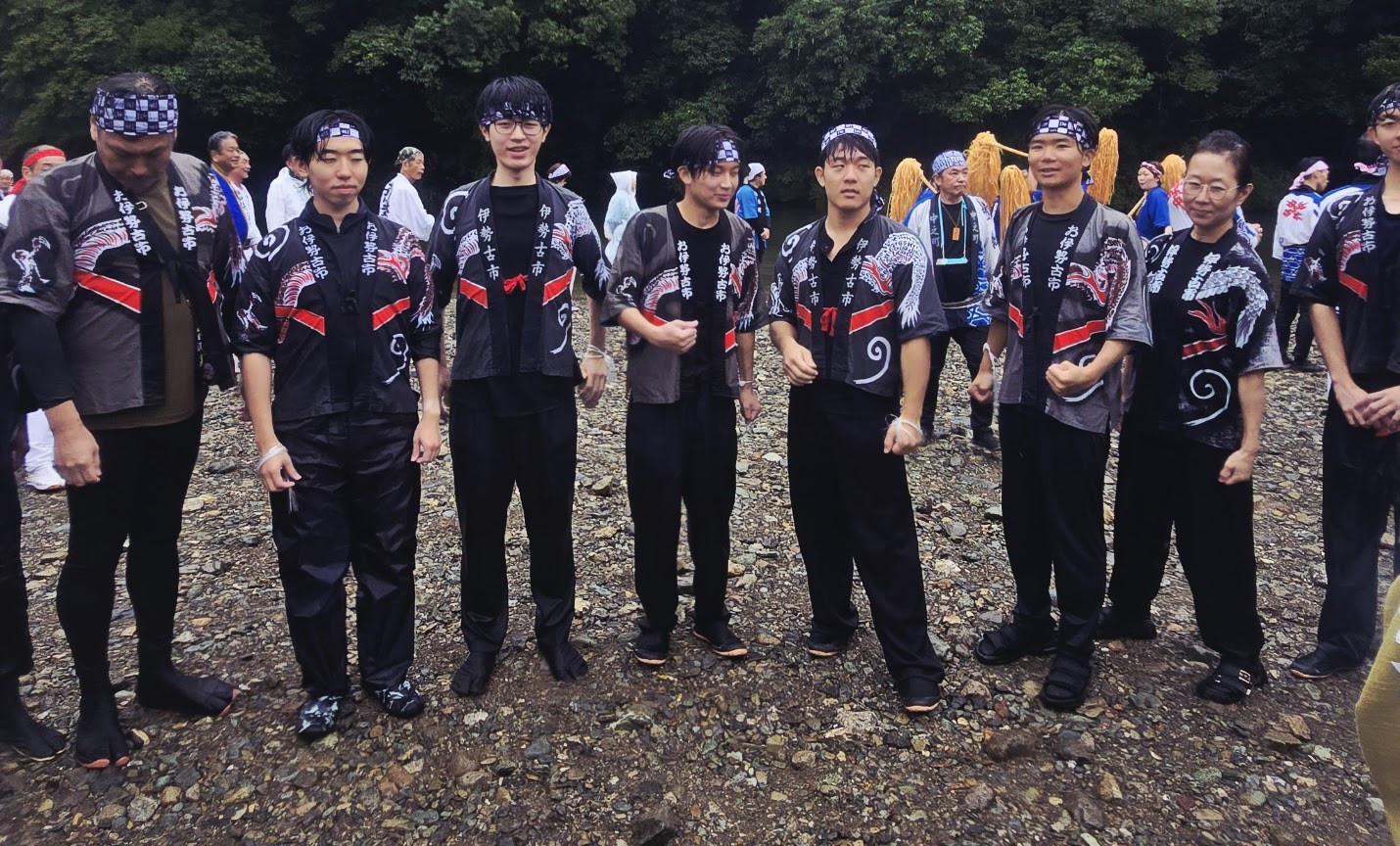
The famous Meoto Iwa, the "wedded rocks" of Futami Okitama Shrine, are joined by a great shimenawa rope. That rope is renewed three times a year — on May 5, on September 5, and in December. The December date is set according to the tides and changes from year to year; according to the shrine, it falls on a Saturday or Sunday around mid-December. A shimenawa marks the boundary between the sacred and the everyday — and in Ise, that boundary stands right beside daily life.
Tokiwakai is an association based in Ise, working to pass on Japan's traditional culture and to nurture the younger generation. In this season, when doorways receive their new ropes, look out for this custom of Ise.
Sources: Explanations of the Ise shimenawa custom; Kanko Mie, "Futami Okitama Shrine: Meoto Iwa Great Shimenawa Renewal Ceremony"; Futami Okitama Shrine, "Annual Events".
The next news arrives on LINE.
Notices, reports, and the next event openings.