What Are Okihiki and Kawabiki? The Once-in-20-Years Festival That Carries the Sacred Timber
Once every 20 years, Ise Jingu holds the Shikinen Sengu — often called Japan's greatest festival — in which all of the shrine buildings are built anew. The sacred timber (goyozai) used for this reconstruction is hauled to the shrine by the townspeople of Ise themselves, in a folk festival called Okihiki. Because it takes place in the years leading up to each Sengu, the next chance to take part comes only some 20 years later — a festival that a person may encounter just a few times in a lifetime.
Two forms: hauling by land and by river
Okihiki takes two forms. In the land route, called Okabiki, the timber is loaded onto a ceremonial wagon (hoeisha) and pulled by rope through the streets of the town to the Geku, the Outer Shrine. In the river route, called Kawabiki, the timber is bound for the Naiku, the Inner Shrine.
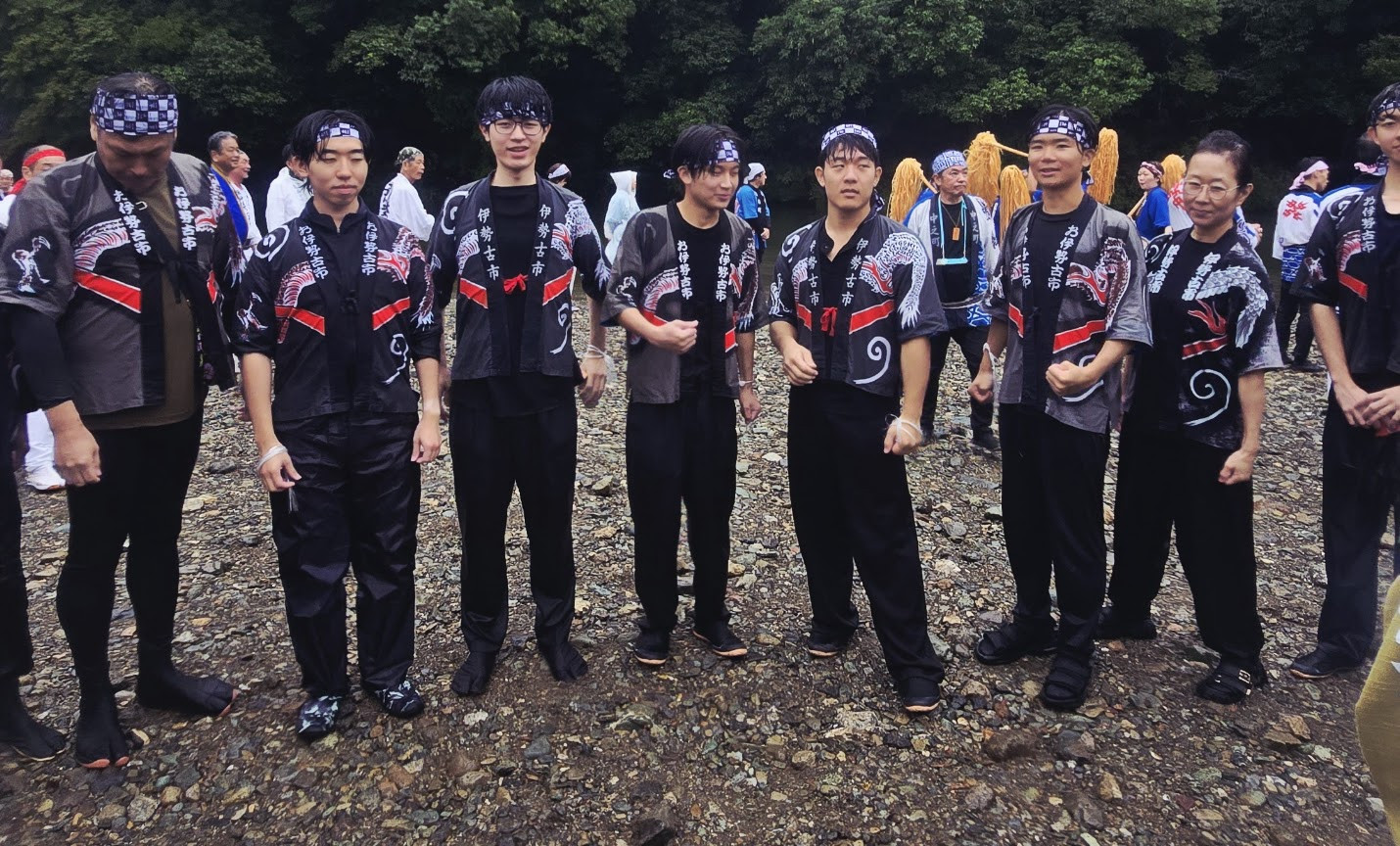
In Kawabiki, the haulers step into the Isuzu River itself, pulling the sacred timber upstream through the current toward the Naiku. Wading through the summer river, soaked from head to toe, they haul the ropes together — a stirring festival found only in Ise. The sight of the timber inching up the river to the rhythm of the haulers' calls is truly magnificent.
The bearers: the Shinryomin
Okihiki has traditionally been carried at its core by the Shinryomin — the people of the districts that once formed the shrine's historic domain. Each town organizes its own hauling team, called a hoeidan, and pulls the timber bearing the pride of its neighborhood. It is not a festival that anyone may freely join; it is one that these communities have handed down through the generations — and that, too, is an essential part of what Okihiki is.
Toward the 63rd Shikinen Sengu — happening now
In preparation for the 63rd Shikinen Sengu, planned for 2033, Okihiki began in 2026. The first round of land-hauling for the Geku took place mainly on weekends from May 9 to June 13, 2026, and the first round of river-hauling for the Naiku is scheduled over four days from July 25 to August 2 of the same year.
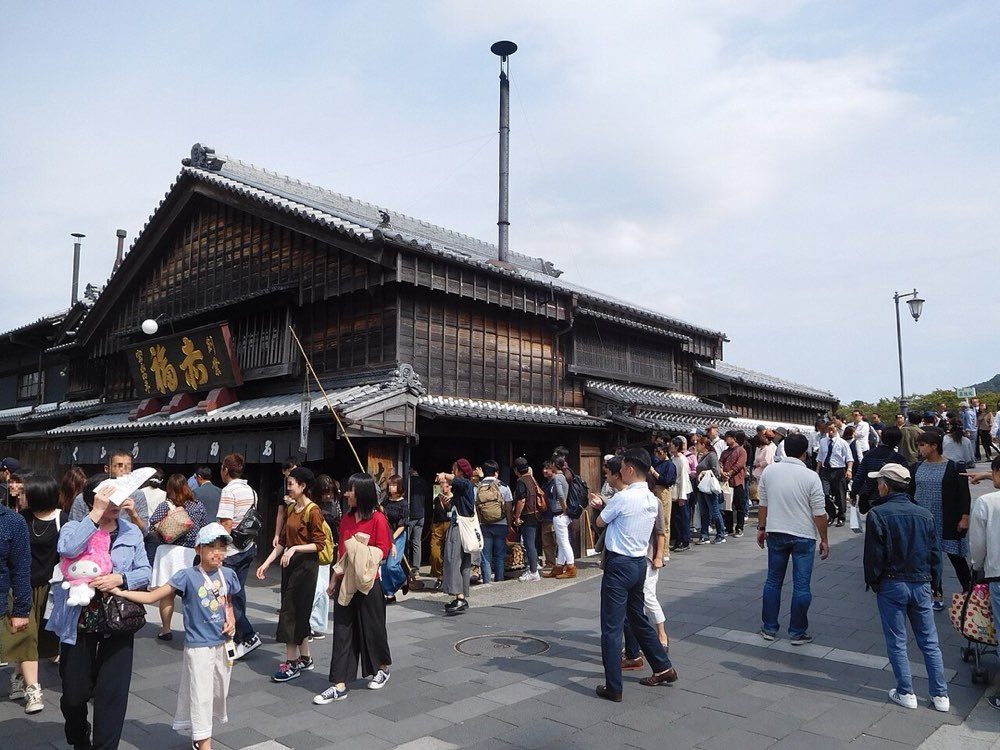
Tokiwakai, too, will take part. Through ties built over years of community-rooted activity, the hoeidan of Furuichi has generously shared part of its allotment with us, and on August 2 our members — students among them — will join the Kawabiki as members of the hauling team. Not watching as sightseers, but pulling the ropes as bearers of the festival. So that we may step into the river understanding what it means, we also hold study sessions on the history beforehand.
Tokiwakai is a community based in Ise, dedicated to passing on Japanese traditional culture and nurturing the younger generation. As this once-in-20-years festival of the people is handed on, we will continue to stand in its midst, together with our students.
The next news arrives on LINE.
Notices, reports, and the next event openings.