The Naiku and the Geku — How the Two Main Sanctuaries Differ, and What to See
At the heart of Ise Jingu stand two principal sanctuaries: the Naiku (Inner Shrine) and the Geku (Outer Shrine). Though both belong to the same Jingu, they enshrine different deities and have a different atmosphere. Knowing how they differ makes a visit all the richer.
The Naiku (Kotaijingu)
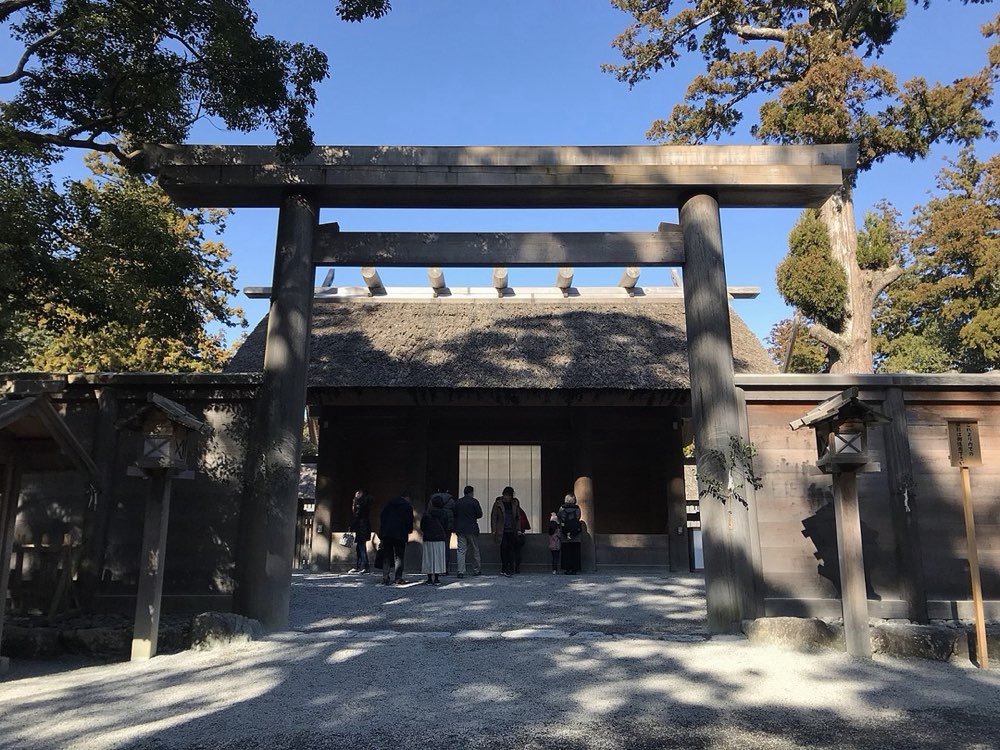
The Naiku's formal name is Kotaijingu. It enshrines Amaterasu Omikami, the ancestral deity of the Imperial Family and, it is said, the guardian deity of all the Japanese people. Cross the Uji Bridge over the Isuzu River, follow the gravel approach, and the solemn main sanctuary appears deep within the forest. The auxiliary sanctuary Aramatsuri-no-miya and the Mitarashi purification spot on the Isuzu River are also highlights of the Naiku.
The Geku (Toyouke Daijingu)
The Geku's formal name is Toyouke Daijingu. It enshrines Toyouke no Omikami, the deity who provides the sacred meals of Amaterasu Omikami and is revered as the guardian of food, clothing, shelter, and industry in general. Besides the main sanctuary, don't miss Taka-no-miya, the highest-ranking of its auxiliary sanctuaries, and the Sengukan museum, where you can learn about the Shikinen Sengu.
Distance and the order of worship
The Naiku and Geku are about four kilometers apart, linked by local buses. By long-standing custom — "Geku-sensai" — it is best to worship first at the Geku and then proceed to the Naiku. This is said to derive from Toyouke no Omikami's role of offering the sacred food to Amaterasu Omikami.
Touring both sanctuaries at a relaxed pace takes half a day to a full day. Feel the different air of each forest, and let yourself touch the whole landscape of prayer in Ise.
The next news arrives on LINE.
Notices, reports, and the next event openings.