The Kanname-sai and the Rituals of Jingu — 1,500 Ceremonies of Unceasing Prayer Each Year
Did you know that roughly 1,500 rituals (regular ceremonies) are performed at Ise Jingu every year? From the Higoto-Asayu-Omikesai — the offering of meals to the deity every morning and evening — to seasonal ceremonies great and small, this round of ritual has continued unbroken for well over a thousand years.
The Kanname-sai, the most important of all
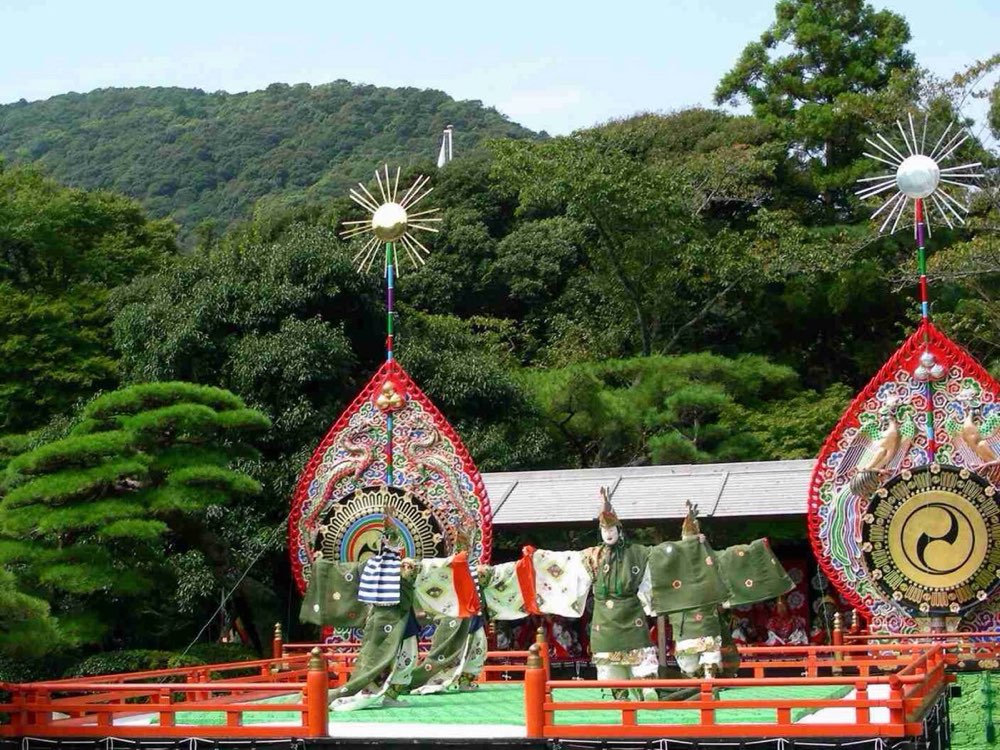
The most important of the many rituals is the Kanname-sai, held each October. In it, the first grain of the year's new harvest is offered to Amaterasu Omikami in thanksgiving for her blessings. For the Japanese, who have lived on rice as their staple, gratitude for the new grain lies at the very heart of prayer. The Kanname-sai is sometimes called "the New Year of Jingu," and the sanctuary's vestments and ritual implements are renewed at this season.
The Sansetsu-sai (Three Principal Rituals)
The Kanname-sai together with the Tsukinami-sai of June and December are called the Sansetsu-sai, the most venerable rituals of Jingu. The Tsukinami-sai are performed solemnly in the dark of night, at 10 p.m. and again at 2 a.m. In spring, the Kinen-sai is held to pray for an abundant harvest.
When we visit the early-morning shrine on a Tsuitachi-mairi, we stand amid an accumulation of prayer offered without cease, day after day. Once you know of Jingu's rituals, your own moments of worship will feel all the deeper.
The next news arrives on LINE.
Notices, reports, and the next event openings.