August's Tsuitachi-mochi: Hassaku Awa Mochi, First Fruits and the Origin of Summer Gifts
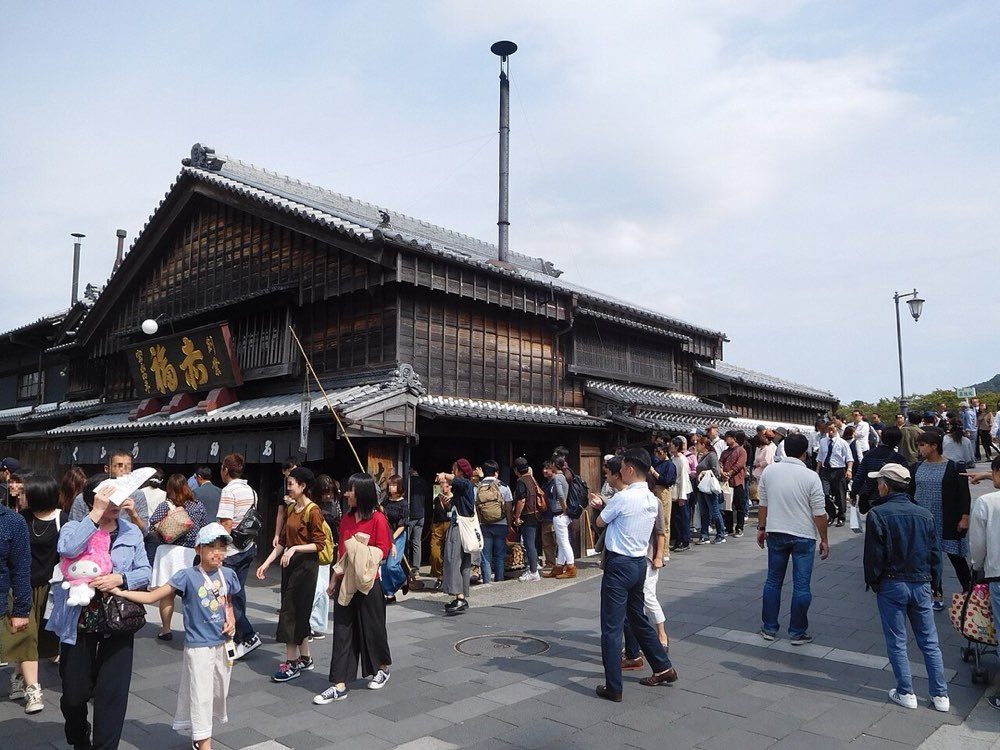
In Ise, there is a custom of visiting the Shrine early on the first morning of each month — giving thanks for the month past and praying for peace in the month ahead. It is called tsuitachi-mairi. On August 1, people gather before dawn, ahead of the heat.
August's tsuitachi-mochi: Hassaku Awa Mochi
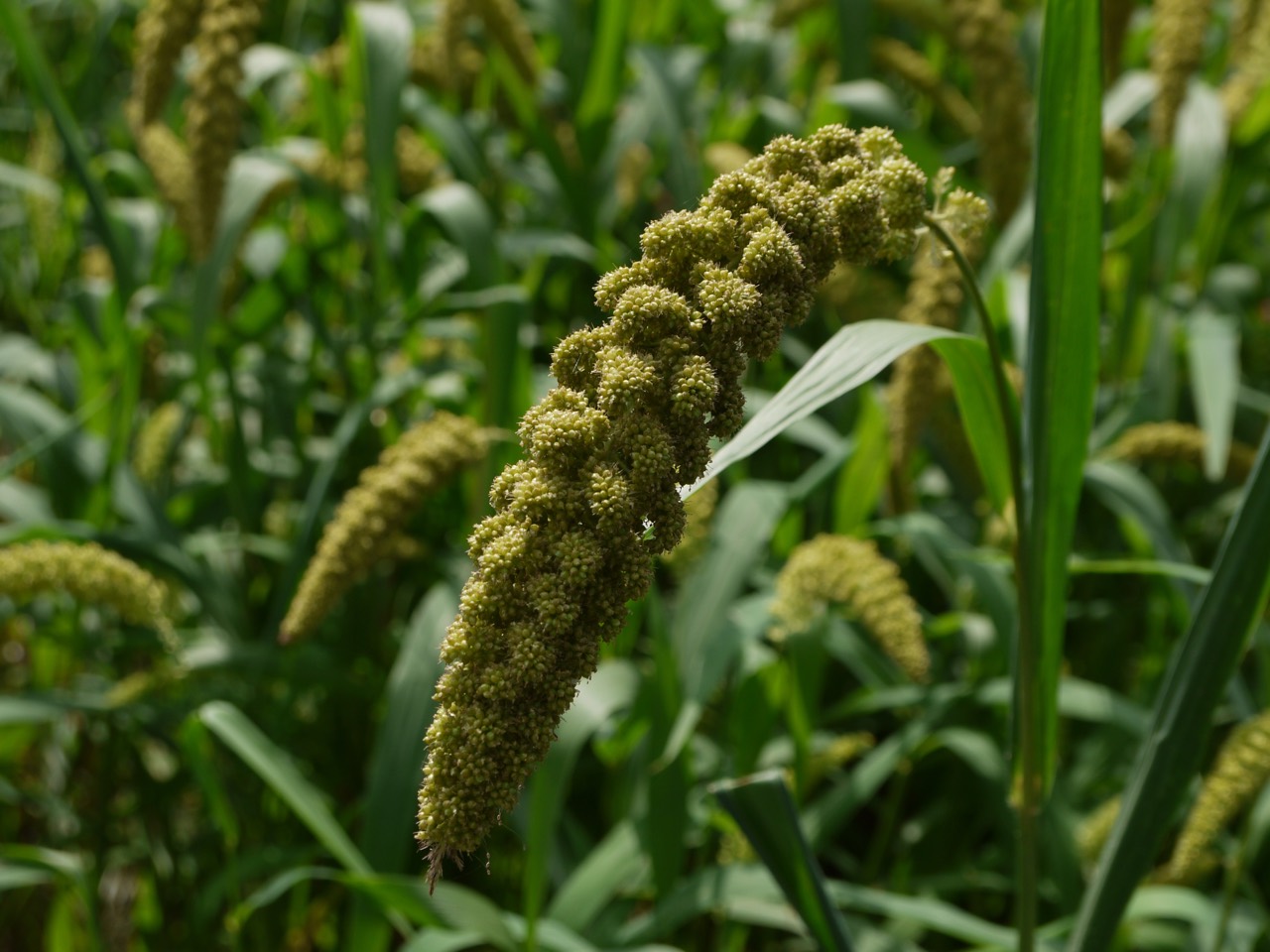
On August 1 the tsuitachi-mochi is Hassaku Awa Mochi: foxtail-millet cake made so the grains stay whole, topped with bean paste made in the old way with brown sugar. The grain gives texture; the brown sugar gives depth.
What hassaku means
Hassaku means the first day of the eighth lunar month. On this day people exchanged the new grain of that year's harvest. Because it celebrated ta no mi — the fruit of the paddy — the day is known as Tanomi no Sekku.
This practice of giving one another the first of the harvest is sometimes linked to ochūgen, Japan's midsummer gift-giving. Chūgen itself, however, derives from the Daoist calendar and the Buddhist Urabon-e, so hassaku cannot be called its settled origin.
Rice and millet, offered as first fruits
In Ise, the first fruits of rice and millet — among the five grains — were offered before the deities in prayer for an abundant harvest. The August 1 visit was known in particular as hassaku-sangū. The Ujiyamada City History (1929) records that farmers pulled the first ears of rice and millet to offer them, and that "on this day there was also a custom of eating the hassaku millet cake." Hassaku Awa Mochi carries that memory forward.
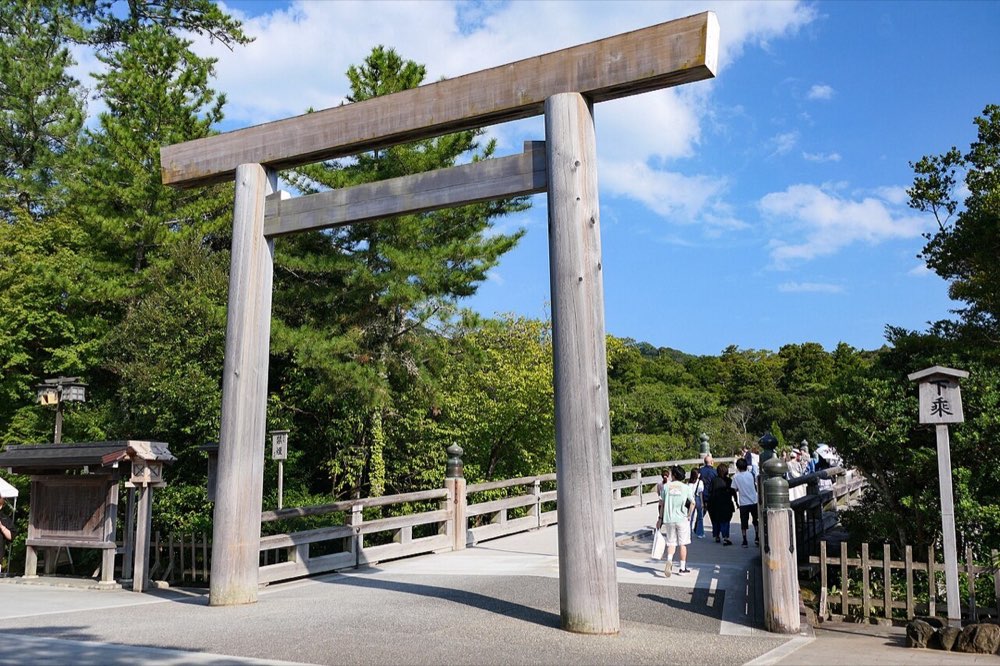
The same impulse — offering the first fruits — runs through Kanname-sai in October, when that year's new grain is presented first to Amaterasu Ōmikami. From August, when the harvest is prayed for, to September's Hagi no Mochi, when it is celebrated — the tsuitachi-mochi mirror the turning of Ise's year.
How tsuitachi-mochi began
Akafuku began selling tsuitachi-mochi in February 1978 as a way to welcome the pilgrims of tsuitachi-mairi. Eleven varieties come round in turn from February through December, each sold on the first of its month only. They must be eaten the same day.
Tokiwakai is an association based in Ise, working to pass on Japan's traditional culture and to nurture the next generation. To follow these monthly confections is to follow the calendar of Ise itself.
The next news arrives on LINE.
Notices, reports, and the next event openings.